Chimney Inspection Service in Houston, TX
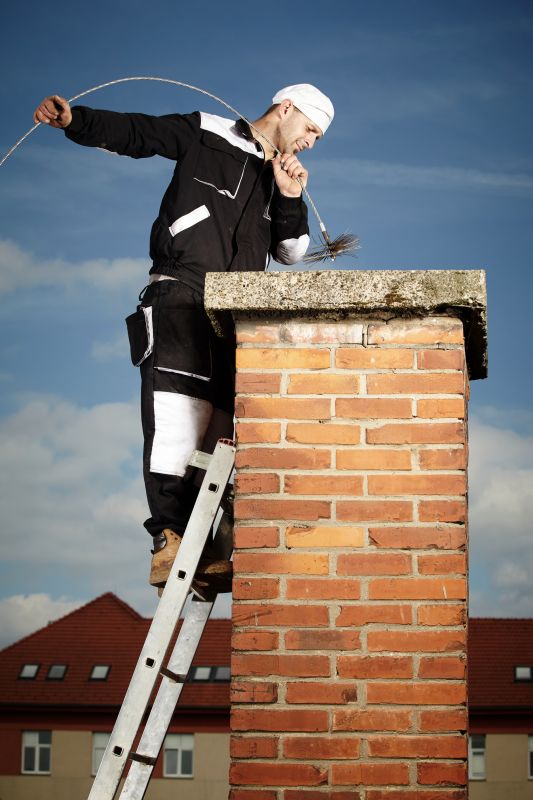
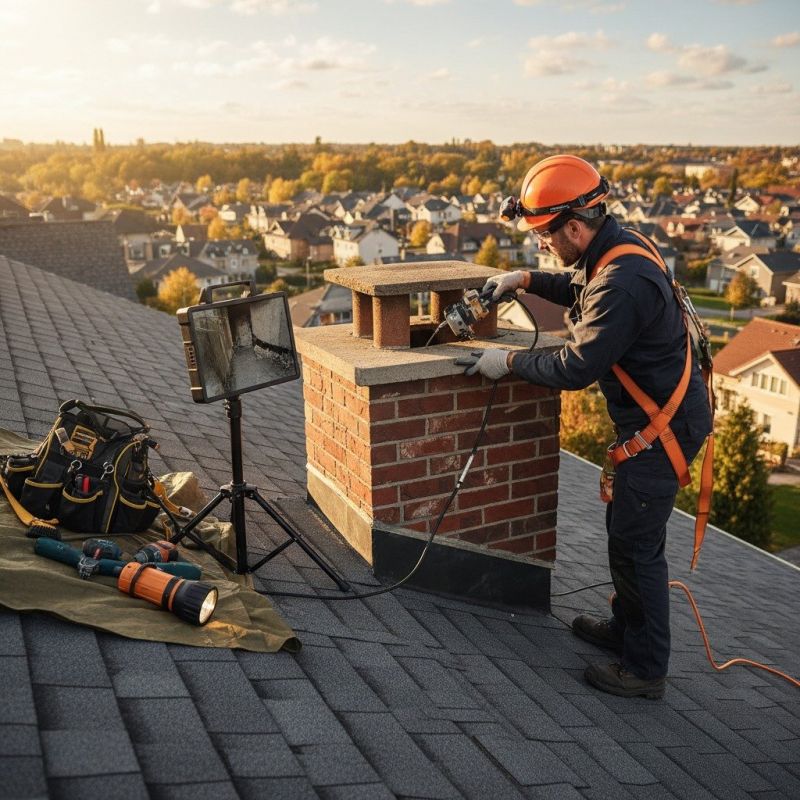
Chimney inspection services provide a thorough assessment of a chimney’s condition to ensure safe and efficient operation. These inspections typically include checking for structural damage, creosote buildup, blockages, and any signs of deterioration that could pose safety risks or impact the performance of a fireplace or stove. Homeowners often request inspections before the start of the heating season, after a chimney has experienced weather-related wear, or following any concerns about smoke odors, drafts, or unusual smoke patterns. Understanding the scope of the inspection and what issues it covers can help property owners determine if maintenance or repairs are needed to keep the chimney functioning properly.
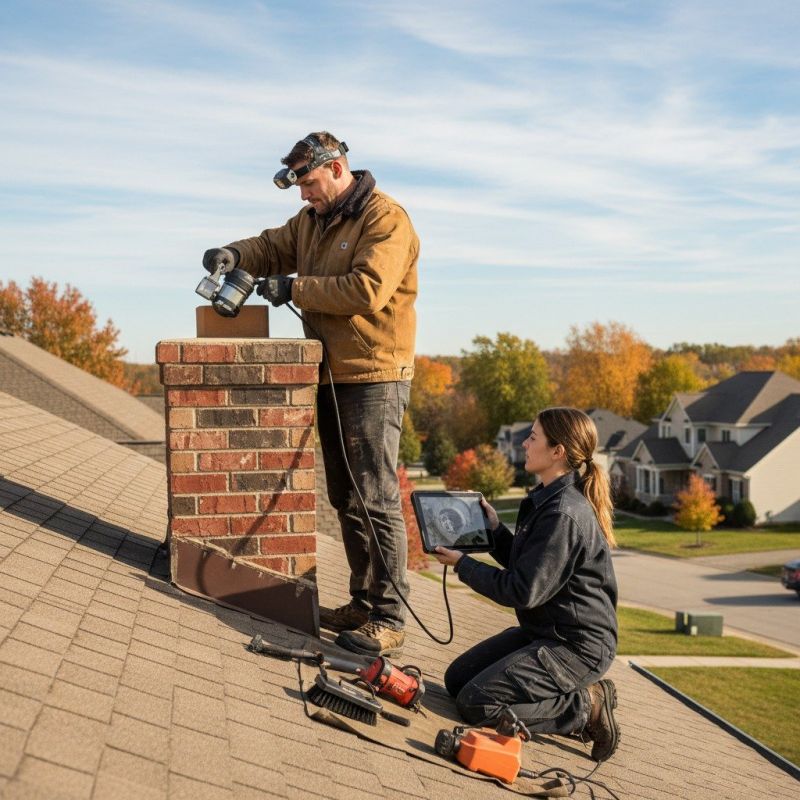
Before requesting a chimney inspection, property owners usually want to know what the process involves and what specific areas will be examined. This includes the condition of the chimney lining, the mortar joints, the cap, and the overall structure. It’s also common to inquire about potential signs of damage or blockages that might require further cleaning or repairs. Clear information about what the inspection covers can help homeowners make informed decisions about necessary maintenance, ensuring the safety and efficiency of their heating systems during colder months.
Many property owners in Houston, TX look into Chimney Inspection Service for repairs, replacements, upgrades, and appearance-related improvements.
Chimney Inspection Benefits
Regular inspections help ensure safe and efficient fireplace operation for houston homeowners.
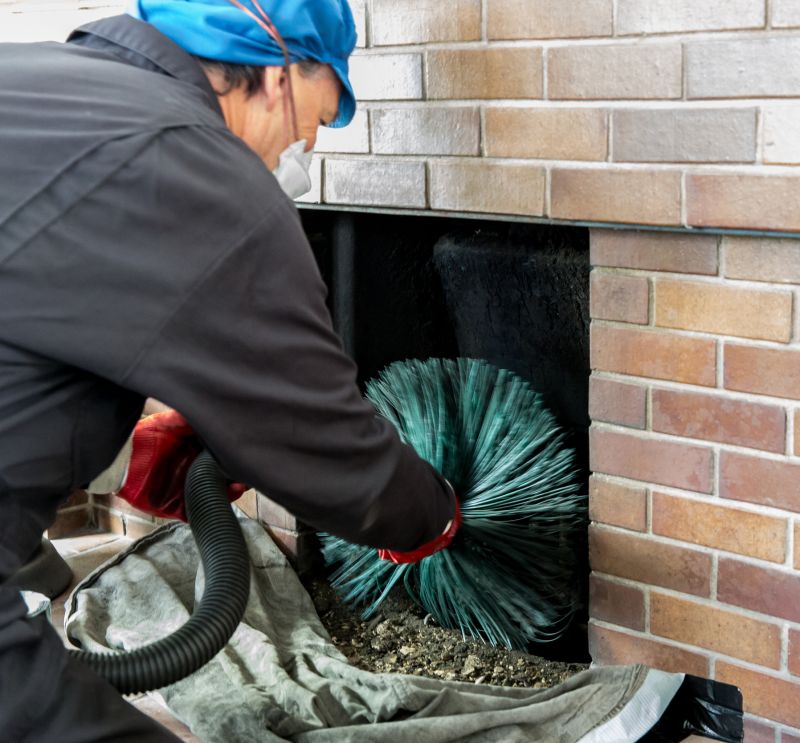
What To Expect During Inspection
A thorough assessment of chimney structure, venting, and potential blockages is performed to identify issues.
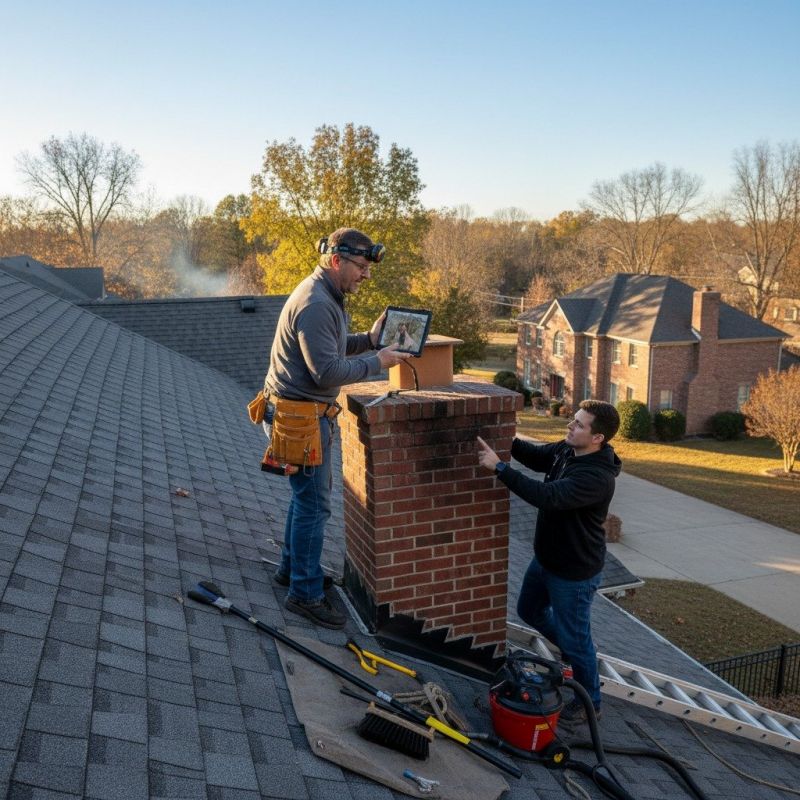
Signs You Need An Inspection
Cracks, smoke odors, or visible soot buildup can indicate the need for a professional chimney checkup.
Chimney Inspection Service in Houston, TX

Chimney inspection services provide a thorough assessment of a chimney’s condition to ensure safe and efficient operation. These inspections typically include checking for structural damage, creosote buildup, blockages, and any signs of deterioration that could pose safety risks or impact the performance of a fireplace or stove. Homeowners often request inspections before the start of the heating season, after a chimney has experienced weather-related wear, or following any concerns about smoke odors, drafts, or unusual smoke patterns. Understanding the scope of the inspection and what issues it covers can help property owners determine if maintenance or repairs are needed to keep the chimney functioning properly.
Before requesting a chimney inspection, property owners usually want to know what the process involves and what specific areas will be examined. This includes the condition of the chimney lining, the mortar joints, the cap, and the overall structure. It’s also common to inquire about potential signs of damage or blockages that might require further cleaning or repairs. Clear information about what the inspection covers can help homeowners make informed decisions about necessary maintenance, ensuring the safety and efficiency of their heating systems during colder months.
Many property owners in Houston, TX look into Chimney Inspection Service for repairs, replacements, upgrades, and appearance-related improvements.
Common Chimney Inspection Service Jobs
Chimney Inspection - a thorough assessment of the chimney’s condition and safety.
Pre-Installation Inspection - evaluating existing chimneys before installing new appliances or liners.
Routine Chimney Checkup - periodic inspections to identify potential issues early.
Damage Assessment - inspecting for cracks, blockages, or deterioration that may affect performance.
Post-Repair Inspection - verifying repairs are completed correctly and the chimney is safe to use.
Ventilation Inspection - ensuring proper airflow and draft for safe operation of heating appliances.
Chimney Inspection Service Questions
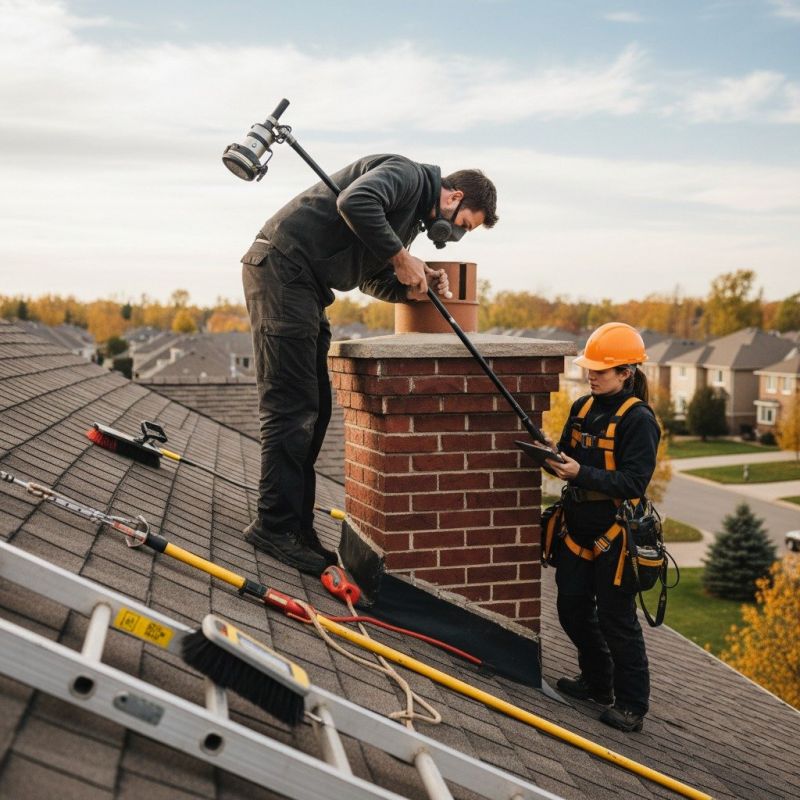
What is involved in a chimney inspection? A thorough chimney inspection includes checking the flue, chimney structure, and venting system for any damage or blockages that could affect safety and performance.
How often should a chimney be inspected? It is recommended to have a chimney inspected at least once a year, especially if it is used regularly or shows signs of wear.
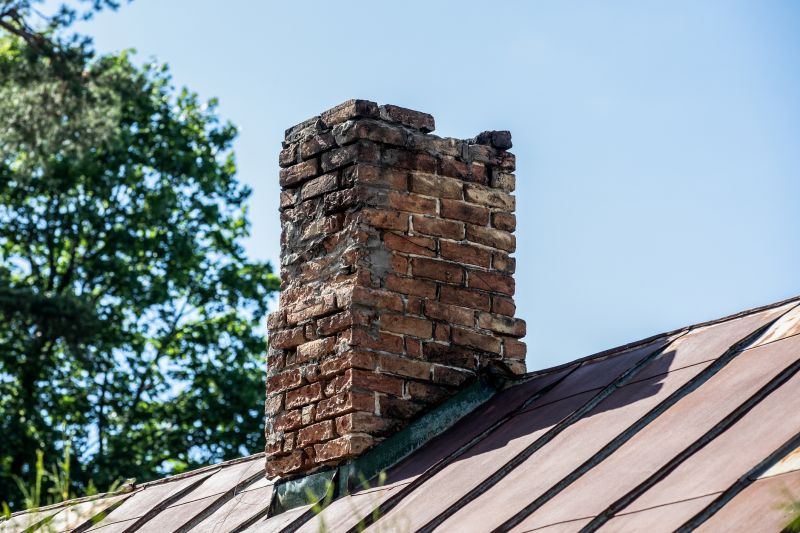
What signs indicate a chimney needs inspection? Visible creosote buildup, cracks, corrosion, or odors coming from the chimney are signs that an inspection may be necessary.
What are the benefits of a professional chimney inspection? A professional inspection helps identify potential hazards, ensures proper operation, and can prevent costly repairs or safety issues.
Request Chimney Inspection Service in Houston, TX
Use the quote form on this page to share the basics of your project and request more information for the type of work you need.